
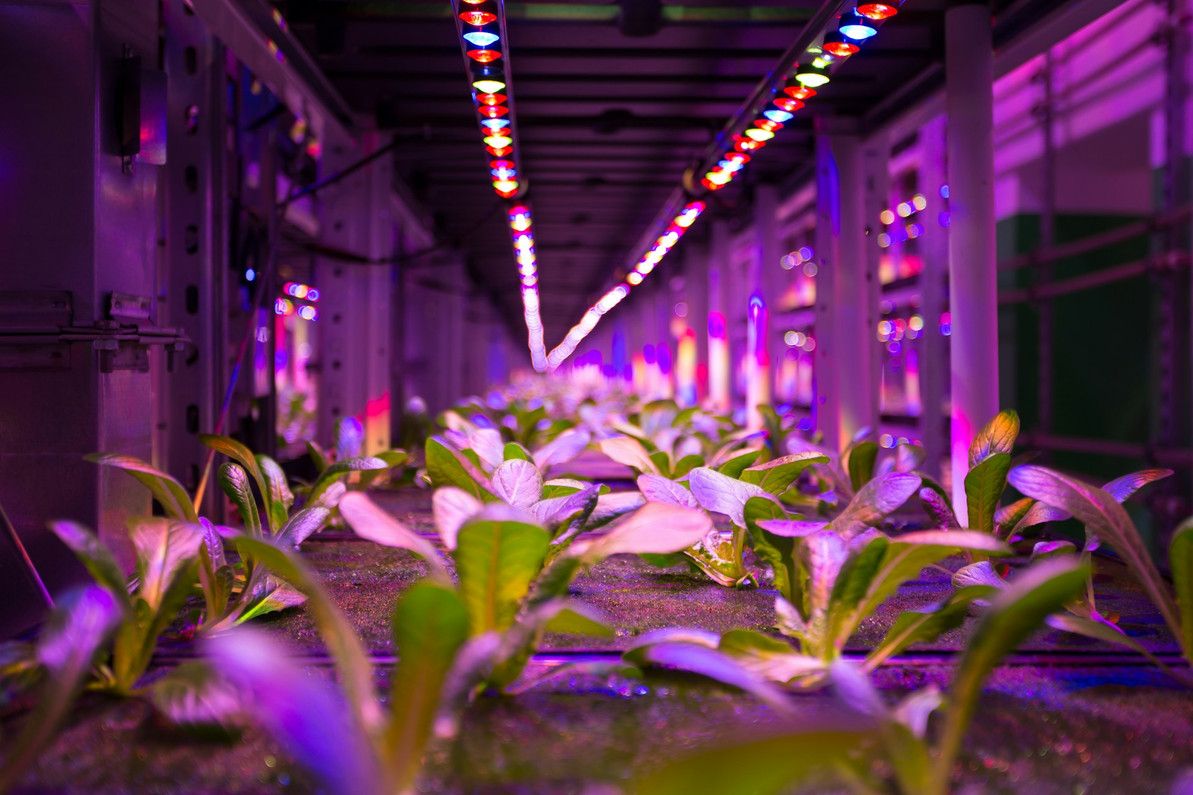
Understanding LED Grow Lights for Flowering in Late Spring
Late spring brings different energy into our grow rooms. Plants are shifting focus, sending their strength into flower production. But this seasonal change isn’t just about buds. As the days stretch longer and outdoor heat starts creeping in, we also need to rethink how light and temperature affect the indoor setup.
This is where LED grow lights start showing their strength. When flowering picks up and the air gets warmer, LEDs help create a controlled environment without stacking on heat. If flower development is the priority, and late spring is quickly warming up the room, we turn to LEDs because of their cooler output and flexible lighting spectrum. Let’s look at how this tool can help support steadier flowering as seasons shift.
What Changes During Late Spring Flowering
Once our plants move into the flowering stage, they start behaving differently. They stop focusing on roots and branches and start pushing energy toward budding. That doesn’t just change how they grow, it changes what they need from us.
- Light becomes more specific, plants want red and far-red wavelengths
- Consistent light/dark cycles become more important for stable flower sites
- Indoor temperatures start to climb at this time of year, even in sealed spaces
Longer daylight hours outside and warmer nights can sneak into our spaces and mess with timers or change room temps. This throws off the 12/12 flower cycle or adds stress to an already active plant. These issues, if ignored, make flower development slower or uneven.
When plants begin to flower, environmental stability becomes even more important. The shift from vegetative to flowering growth means the plant uses nutrients, water, and especially light in new ways. Sometimes stress from heat or poor lighting can create small flowers, weak buds, or even stalled growth. Watching for these changes helps us respond quickly before flowering is affected for the entire season.
How LED Grow Lights Fit This Growing Phase
This is where LED grow lights help us take more control. They aren’t just efficient, they give us features built for conditions like these. That matters when we’re balancing a plant’s needs with late spring climate shifts.
- LEDs offer more control over spectrum, letting us focus on red and far-red for flower phase
- They run cooler, which helps reduce stress when the ambient room is already heating up
- Many LED units come with timers, dimmers, or phase switching so we can match plant development more closely
If we’re using tents or working in a shared home space, heat control often decides how well flowering goes. LEDs don’t force us to battle high temps or rely too heavily on cooling systems, which are already working hard this time of year. The light stays strong, but the room doesn’t get too hot trying to keep up.
Shore Grow stocks BloomPlus, Gavita, and Hortilux LED lamps that let growers fine-tune for flower response, and programmable fixtures for customizing spectrum and light timing.
LEDs are especially useful because of their efficiency. They convert more electricity into usable light rather than heat, making late spring temperature swings less stressful to manage. Plants get the focused spectrum they need for bigger, better buds, but the room stays cooler so humidity and airflow are easier to control.
Adjusting Your Grow Space for LED Use
Switching to LEDs during flower isn’t just a plug-and-play swap. They work differently from older fixtures like HPS or fluorescent lights. Making small changes to the grow space helps us get the most value without overdoing it.
- Keep LEDs higher than older lights, this spreads intensity without burning new growth
- Use reflective interior tent linings or paint flat white on walls to reflect light evenly
- Don’t ditch airflow, just adjust it to keep gentle movement instead of fighting heat buildup
Since LEDs don’t beam as much heat straight down, we don’t need fans blasting at full speed to cool leaf surfaces. But air circulation still matters. Light burn is less common, but leaf temperature can go up under concentrated light if everything sits too close. Good spacing and reflection help spread the benefit across the canopy.
Shore Grow carries mylar sheets, oscillating fans, duct kits, and plant yo-yos to help refine airflow and light reach as you shift to LEDs for summer bloom.
Even with lower heat, monitoring leaf temperature and relative humidity stays important. When light sits too close, the area under a focused LED can still warm up, even if the overall room feels cooler. Moving fixtures six to eight inches higher, especially for large arrays, helps reduce this risk. In small grow tents or newly set-up areas, reflective walls make the most of every photon, bouncing light into shaded corners and increasing yield potential.
Gentle airflow keeps plant surfaces dry and discourages mold without causing windburn. Adjusting your fan speeds to match the lower heat and new light patterns helps avoid leaf curling or tip burn. These details, easy to tweak, make a big difference as flowers form.
Timing, Schedules, and What to Watch For
Flowering always comes with a fixed rhythm. We still aim for the 12 hours on, 12 hours off light schedule, and even small shifts off that pattern can stall bloom cycles. Late spring sunlight creeping in through cracks or windows can mess with an otherwise controlled timing.
- Use reliable timers that stick to a strict 12/12 cycle and double-check with a digital readout
- Block any outdoor light leaks with blackout curtains or tent covers
- Watch for early signs of stress, like top leaves curling upward or turning yellow
Light stress doesn’t always show up overnight. As buds build, the plant becomes more sensitive to changes. Light too close or too strong can bleach the tips or fry new growth before buds can form properly. Sometimes lowering the intensity slightly or raising the fixture just a few inches makes a big difference.
Another thing we do is monitor plant shape and space between nodes. Stretchy growth can mean the light isn’t hitting consistently across the canopy. Shift the angle or try a small bump in intensity to help steer that energy back into flower development.
Double-check your timer settings regularly, especially after power outages or when daylight saving time starts. This catches any tiny adjustments that could throw the flower cycle off track. Even a short burst of stray light can delay or confuse blooming, so blackout materials are good insurance for busy households or shared rooms.
Notice patterns in how leaves, stems, and flower sites respond. When LED lighting is balanced and well-timed, plants keep stacking buds and pushing new growth along the stems without yellowing or crisping at the tips. If you spot leaves cupping, bleaching, or drying only on the highest points, try raising the light or increasing reflection to even things out.
Better Light, Better Blooms
As late spring rolls in, conditions get more intense even indoors. Lights that worked great during cooler months might now feel like too much. LEDs give us better control and maintain a calm environment while letting plants keep producing.
By fine-tuning placement and sticking to a clear light schedule, we can help plants ease through flowering instead of fighting sudden changes. The lower heat, combined with the right spectrum, keeps things moving forward without forcing extra cooling or constant adjustments.
Smart light setups in late spring cut down unnecessary stress and help us focus on shaping the plants we’ve been nurturing all season. When done right, LED grow lights make it easier to carry flowering plants through these busier, warmer weeks into healthier harvests.
Thinking about adjusting your lighting setup for the season? Discover how your grow space can benefit from using high-quality LED grow lights. We like them because they give you excellent control through the flowering phase without adding extra heat to the room, which is especially important as temperatures rise and your plants start to blossom. At Shore Grow, we make it easier to stay on track during these transitions, so give us a call and let’s get your lights and timing dialed in right.
Recent Posts
-

How to Use Tents for Summer Cucumbers Indoors
Growing cucumbers indoors during the hotter months can feel like trying to balance too many things a …Apr 24th 2026 -
Understanding LED Grow Lights for Flowering in Late Spring
Late spring brings different energy into our grow rooms. Plants are shifting focus, sending their st …Apr 24th 2026 -

Managing Humidity With Climate Control as Summer Nears
As we get deeper into spring and summer gets closer, indoor humidity starts ticking up fast. If ther …Apr 17th 2026