
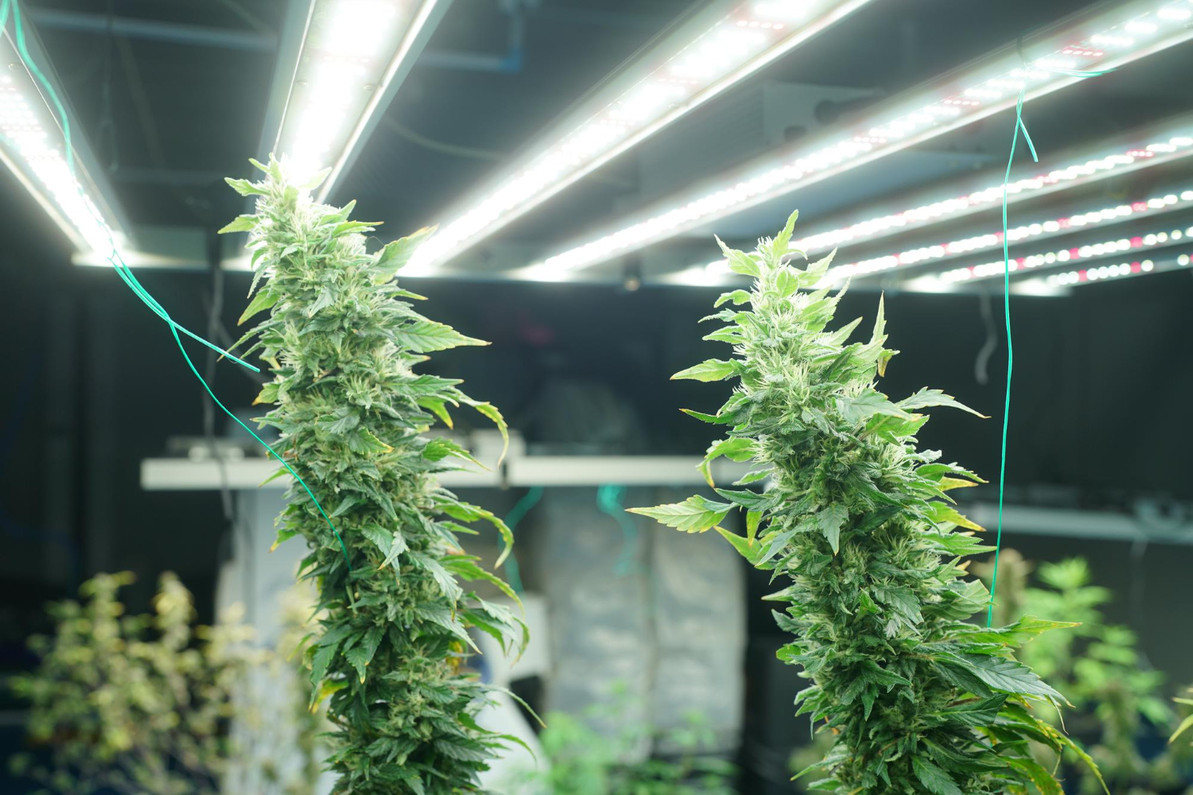
Troubleshooting Lighting Accessories When Plants Stop Growing
When plants stop growing like they should, it can leave even a careful grower scratching their head. This slowdown happens a lot during winter when changes in the environment aren’t always obvious. Shorter days, fluctuating home temperatures, and dry air sneak in without notice, setting the stage for subtle setbacks. One part of our setup we look to first is lighting. More specifically, the lighting accessories that keep everything running smoothly.
From timers and mounts to reflectors and bulbs, these pieces of the puzzle help us maintain stable light all season long. When something’s just a little off, our plants can let us know by slowing down or acting differently. Since January is right in the middle of an unpredictable stretch, now’s a smart time to run through the setup and tackle any problems early. Here’s what we check when the plants stop moving and we think lighting could be the reason.
Signs Your Plants Might Have a Light Problem
When lighting issues start showing up, the plants will usually speak up, just not with words. Their leaves, posture, and pace tell us what we need to know. It just takes some quiet observation and a bit of trial and error. Here are some things we watch for:
• Spindly stems that stretch too far without much heft often mean the light source is too weak or too far away
• Leaves turning pale or yellow might be getting too little light, while burned or curled leaves could be getting too much
• Slowed growth that doesn’t improve after watering or feeding is another flag to take a closer look at the light setup
• Plants leaning or turning through the day might be chasing light that isn't spread evenly over the grow area
Checking these signs against our setup gives us a strong starting point. If several plants are acting the same way, and all other care routines seem steady, light could be the missing piece.
Checking the Placement and Height of Your Lights
Good lighting is as much about location as it is about quality. Even the right bulb in the wrong place won't give plants what they need. We make it a habit to review how close our lights are sitting and where they’re aimed.
• For seedlings, keeping lights about 2 to 4 inches above the tops of the plants helps them build stronger stems and leaves
• For mature plants, the distance can be adjusted slightly higher, but we always check for leaf burn or stretch as signs to raise or lower
• Using a ruler or measuring tape to confirm distance every few days helps catch slow drift or shift in height
We also look at how the light spreads across the entire tray or grow area. Plants growing at the edges may need extra attention if they’re getting less exposure. To fix uneven lighting, we sometimes turn the trays a little every few days so every side of the plant gets a turn in the brightest spot. This way, all plants get a fair chance at steady growth and fewer end up leaning or stretching for the light.
Evaluating Your Lighting Accessories and Hardware
A good grow setup depends on more than just the bulbs themselves. Lighting accessories often get overlooked, but they can be just as important.
• Timers are easy to bump or reset, and broken ones can throw off the entire light cycle
• Bulbs or lamps should be checked for flickering, dimming, or odd tint changes, these are signs they’re wearing down
• Reflectors or covers can collect dust, and when dirty or bent out of shape, they cut down on light strength
We keep a regular habit of wiping down reflectors and checking cord connections to prevent bigger problems. A small detail, like one crooked reflector, can reduce how much light reaches one whole corner of the grow area.
Shore Grow carries lighting accessories including light hangers, sockets, replacement cords, power strips, and heavy-duty timers that are designed for reliability. Selecting proper accessories for your grow setup helps ensure your lighting system stays safe and steady through the changes that winter brings.
When Your Plants Still Won’t Move
Sometimes, things look fine with the lights, but nothing’s changing with the plants. That’s when we step back and look at the bigger picture. We write down any changes or tweaks we’ve made recently. Even simple things like moving a tray a few inches or adjusting a fan can have ripple effects.
If we’ve worked through the lighting issues and still see slow progress, we check on:
• Room temperature during light and dark hours
• Moisture levels around plants (too wet or too dry can mess with roots)
• Airflow, making sure warm spots or cold corners aren’t setting the plants back
The goal is to make sure all parts of the system are working together. Lighting accessories don’t work in isolation. They help plants if the rest of the setup stays solid, too. If everything is checked and the issue persists, it’s always a good idea to look beyond just the lighting and see if broader changes to the environment might help. Sometimes, growth is stalled by something as simple as a draft or subtle shift in humidity, especially in the middle of winter. Giving plants consistent care and a bit of extra observation during these months can make a noticeable difference by the time days brighten up.
Keeping Indoor Setups Consistent Through Late Winter
January can throw a few surprises at an indoor grow room. Shorter days mean more hours under artificial light. Central heat dries the air out fast. That’s why consistency matters more than ever right now.
We keep things steady by building simple routines like:
• Checking light distance and brightness every 2 to 3 days
• Wiping down reflectors and checking timers weekly
• Using the same watering times to match the light schedule
• Watching for drafts from windows or doors when the wind picks up
Shore Grow offers free classes to help new growers learn how to create and maintain consistent routines for indoor gardening. Guidance from experienced growers makes it easier to notice small setbacks and correct them before they affect long-term growth.
These straightforward checks don’t take long but make a big difference. The more predictable we keep the space, the better the plants respond. As winter leans into its final stretch, steady lighting supports steady growth. We notice that when routines become automatic, we spend less time reacting to problems and more time enjoying healthy, steady-growing plants.
Get Your Grow Back on Track Before It’s Too Late
Lighting accessories may be small, but they carry a lot of weight when it comes to plant health indoors. A faulty timer, dusty lens, or off-center position can hold healthy plants back without us realizing it. That’s why we revisit our light setup often, especially in cold months when plants rely on it more than ever.
We’ve noticed that the sooner we catch these problems, the easier they are to fix. Winter gives us the chance to tighten up our indoor grows and get everything ready for the shifts that come with spring. With a little attention to lighting, our plants will be stronger, more stable, and ready to hit their stride.
Sometimes even a seemingly perfect setup hits snags from overlooked details like timers, reflectors, or cords that can disrupt your grow room’s performance. Regularly inspecting your setup and ensuring your lighting accessories are clean, secure, and working properly can make a big difference. At Shore Grow, we know that reliable tools support steady growth. Reach out to us today so we can help optimize your grow room for better results.
Recent Posts
-

Picking Containers for Small Spaces When Sunlight Is Limited
Growing cannabis indoors during late winter always brings its own puzzles. The light is still short, …Feb 2nd 2026 -
Additives Vs. Base Nutrients in Hydroponic Cannabis Growing
Nutrition is the engine of hydroponic weed growing, and the way you handle base nutrients and additi …Feb 2nd 2026 -

Troubleshooting Lighting Accessories When Plants Stop Growing
When plants stop growing like they should, it can leave even a careful grower scratching their head. …Feb 2nd 2026