
Spring Propagation Steps for Busy Indoor Gardeners
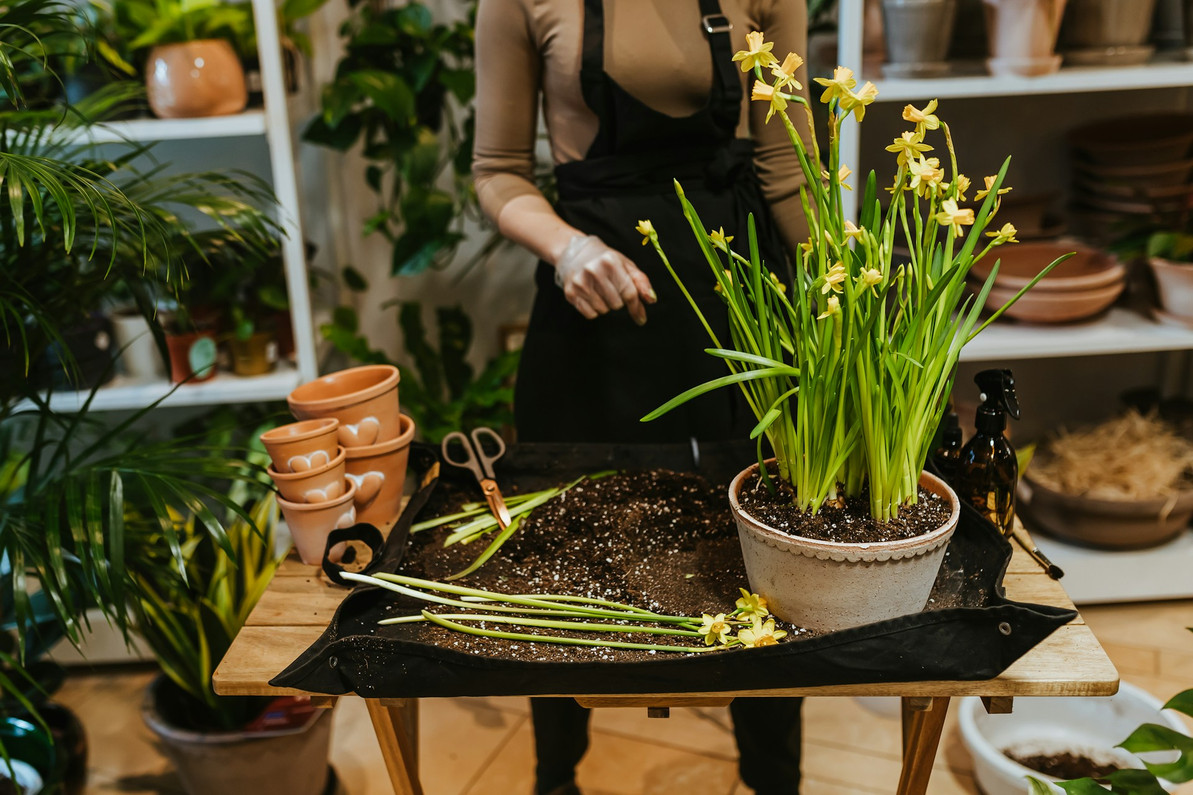
Spring gives indoor growers a fresh window to focus on plant propagation. As daylight lasts longer and temperatures rise, plants naturally respond with energy and new growth. It's a season full of potential, but many of us are balancing packed routines that leave little time for changes. That's okay. With a few small adjustments, propagation can fit neatly into even the busiest spring schedule.
We’ve found that starting with the basics helps keep things moving without pressure. Whether you're cloning, starting from seed, or both, a simple, steady setup goes a long way. By working with natural seasonal cues and getting the timing right, we can hit that spring rhythm without overhauling everything.
Choose the Right Time and Conditions for Spring Starts
Timing matters, even indoors. Early spring can still bring cooler nights, and your indoor grow environment might not warm evenly right away. Before jumping in, we like to spend a week checking room temperatures at different times of day. Hovering somewhere between 68°F and 75°F usually gives new growth a fair chance.
Humidity also plays a part. If the air feels dry, or your hands and lips are drying out faster, it's probably dry for your plants too. A small humidity gauge makes this much easier to track.
Spring light can be tricky. As the sun shifts, even grow rooms with steady lights might see changes in natural brightness or temperature that affect your routine. Pay attention to what your plants are showing you.
- Watch for new node spacing, perkier leaf posture, or new root tips
- Look for signs of stored energy in older plants, which can signal they’re ready to clone
- If seedlings or mothers seem stalled, hold off until temperatures are steadier
Set Up an Efficient Propagation Zone
When space is tight and time is short, the propagation area needs to be reliable. Not fancy, but reliable. A small table near a duct-free wall, a steady shelf, or the bottom tier of a plastic rack can usually do the job.
We aim for tools that support moisture but don’t trap too much heat.
- Use seed trays with inserts to control spacing and limit water waste
- Humidity domes are helpful early on but should be vented daily for airflow
- Place your propagation tools in a spot with stable airflow but not direct draft
It’s also good to pick the right light. During propagation, plants don’t need intense beams. Compact fluorescents or lower-wattage LED lights work because they create less heat and allow a closer range without stress. Starting lower and adjusting up as growth begins helps avoid light shock.
Shore Grow offers starter trays with humidity domes, rooting gels, cloning machines, and heat mats so even small or temporary grow stations can run reliably.
Keep Cuttings and Seedlings on a Steady Routine
Fast changes are usually what throw off early growth. A plant that senses comfort one day and extreme dry air or floods the next tends to stall. We go for consistency wherever possible.
- Mist lightly in the mornings if humidity is low, skip it on high-humidity days
- Feel the media for moisture before watering, checking at the sides and center
- Hold off on heavy feeding until root systems form, then feed lightly once a week
Fans should stay on low. You want soft movement, enough to strengthen young stems and prevent still air, but not so much that leaves dry out. Changes in climate should be small and day-to-day. Avoid cranking up heat or cold near the zone once plants are rooted.
Watch for Growth Signals and Know When to Transplant
Spring plants want to grow. The trick is knowing when they’re truly ready to move and not rushing them out of a stable start zone too early.
- Look for roots poking out of tray bottoms or circling within their cells
- Seedlings should have at least two true leaves, strong upright posture, and thick stems
- Clones should show new upward growth, not just survival
When transplanting, gently loosen roots and shift them into slightly larger pots, don’t overpot. It's better to step up in sizes over time instead of jumping from a two-inch cell to a gallon container all at once. Keep light and watering routines almost the same the first few days after transplanting so the plant can settle more easily.
Reduce Stress When You’re Low on Time
We all run short on time around spring. The trick we’ve learned is to set up for repeatable tasks. Instead of reacting every day, we get materials staged and prep a few things in advance.
- Pre-fill trays the day before seeding and set your domes nearby
- Keep timers on for lights, and plug in small humidifiers or fans on the same cycle
- Leave a basic checklist nearby so if someone else helps out, they know what’s next
Focus on making your workflow smooth instead of perfect. It’s better to hit the main points, light, moisture, airflow, than aim for a flawless system that’s hard to keep up during busy days.
Shore Grow stocks propagation supplies in bulk, like Jiffy pellets, rooting cubes, and easy-fill trays, making it simple to set up in advance or handle a lot of plants at once without stress.
Keep Plants Moving Forward With Small Steps
Propagation doesn’t have to be a huge project. Often the best moves come from noticing small progress and helping it along. A new set of leaves, a straightened stem, or fresh white roots, those are wins.
Even short check-ins each day create better plant outcomes than rushing to fix things after problems appear. Progress grows faster when you're not trying to do too much at once.
Spring growth has its own rhythm. When we take our cues from the plants instead of trying to force every step, things often move more smoothly. Small actions stack up into bigger results, and before long, the season is already underway.
Getting ready for your spring grow is all about early preparation, especially with light, moisture, and airflow. Consistency gives your plants a strong start, and the right tools help it all come together. Whether working with clones or starting from seed, every step matters for healthy propagation. At Shore Grow, we keep things simple so you can grow with less stress. Call us anytime for help getting your setup dialed in.
Recent Posts
-
Spring Propagation Steps for Busy Indoor Gardeners
Spring gives indoor growers a fresh window to focus on plant propagation. As daylight lasts longer a …Apr 7th 2026 -
Tents Setup Guide for Summer-Bound Seedlings
Warmer days mean it’s time to get seedlings started indoors. There’s something satisfying about givi …Apr 7th 2026 -

Early Pest Control for Safe Summer Harvests
As the days get longer and temperatures warm up, our plants start to stretch and grow faster. But it …Apr 5th 2026