
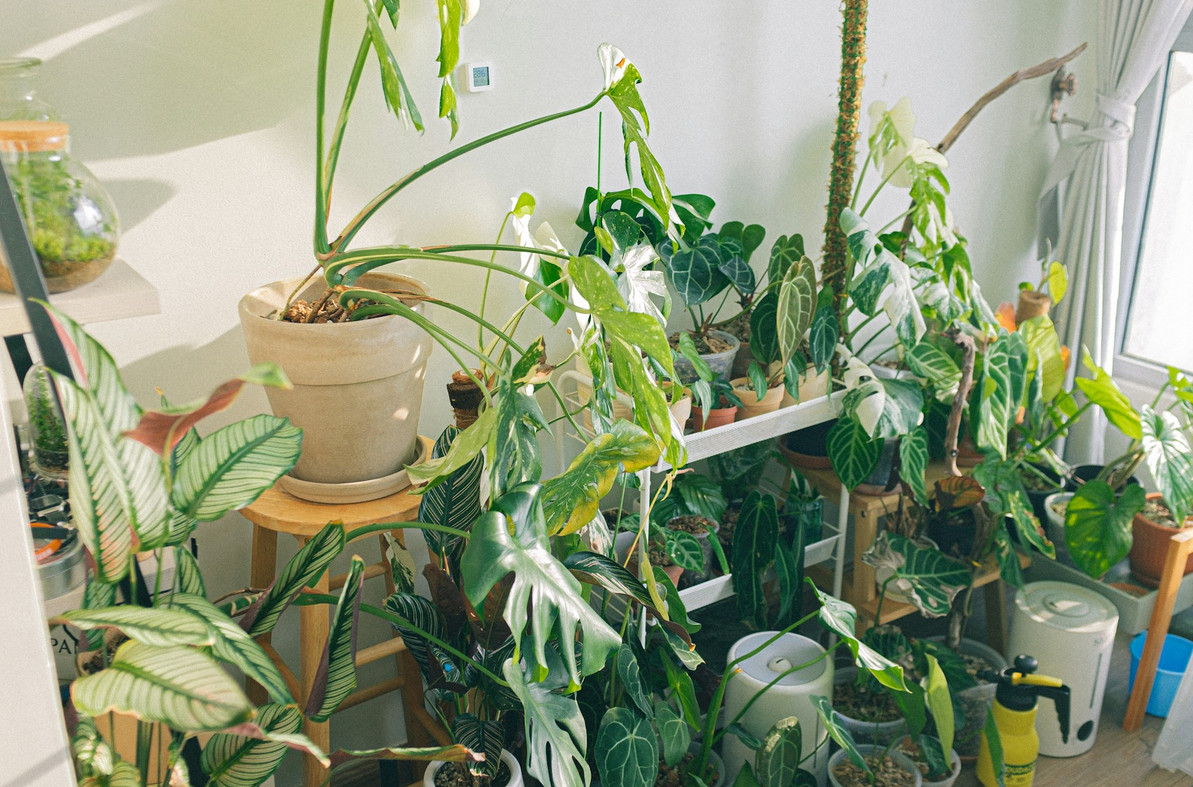
Pots Selection Ideas as Spring Indoor Gardens Expand
At the start of spring, indoor gardens tend to get more active. Days are longer, light is stronger, and it’s common to add more strains or start another round of seedlings. That often means it’s time to take a close look at our pots. After winter’s slower pace, plants start moving fast in March, and the containers they live in can either support that growth or hold it back.
Choosing the right pots is about root health, airflow, and making sure water drains well. When done right, pot selection can give plants more space to thrive without running into early barriers like root rot, crowding, or shape issues. This season is a great one to fine-tune the setup, especially as spaces shift to make room for the next wave of plants.
Matching Pot Size With Plant Stages
Every growth phase calls for its own pot size. Trying to push a seedling into a large container too early or delaying transplants can create problems that aren't always easy to fix later on.
- Seedlings and cuttings do best in small starter pots, often between 2 to 4 inches wide. These give just enough room to encourage early rooting without risking overwatering or wasted soil.
- Once plants hit the vegetative stage and begin developing fuller leaf sets, mid-size containers between 1 and 3 gallons make it easier to manage moves or layout changes.
- Final-stage or flowering plants need large, steady pots. Options between 5 and 10 gallons can support mature root systems and provide enough room without cramping roots just when strength is needed most.
It helps to think of pots the same way we think about training supports or lighting schedules. Give each stage the right shape and amount of room, and the plants respond in kind.
Shore Grow’s lineup includes nursery pots, fabric pots, and heavy-duty air pruning containers, available in sizes from seed starting to 7 gallons for bigger indoor grows.
Material Choices: What Works Inside
Not all pots are built the same, and indoors, the material matters just as much as the size. The weight, breathability, and how well moisture holds can all shift the results of a grow room.
- Plastic pots are lightweight, easy to clean, and make transplanting simple. They’re great when we expect to reposition often or move plants around for light and airflow.
- Fabric pots allow great airflow and avoid root binding. They let water escape quickly, which helps prevent issues tied to overwatering. But they can leak more than solid pots, so we keep trays underneath.
- Clay pots are heavier and more stable for tall plants, and they pull moisture out through the sides. That can help when soil needs to dry out faster after watering, though it does mean more lifting and extra caution with floors.
We like to organize by how long the pot will be used. If this plant will stay put until harvest, breathable fabric pots tend to work best. For shorter phases or frequent changes, we go simpler with plastic.
Drainage and Placement Tips for Safe Setups
Indoor setups don’t leave much room for error when it comes to water. Drainage has to work well not just for the plant, but for the room we’re growing in.
- Pick pots with built-in drainage holes to vent out too much water quickly
- Always use trays under each pot to catch runoff and avoid floor damage
- Add risers to keep pots above pooling water and increase airflow underneath
We also plan spacing between containers. Giving just a few inches between pots helps with airflow and makes it easier to reach plants in back rows. In tight spaces, even one or two inches more can reduce the chance of mold or crowding.
Shore Grow stocks stackable trays, simple risers, and deep-runoff trays to support healthy drainage and keep grow spaces clean during watering cycles.
When and Why to Transplant During Spring Growth
Spring’s energy can be a lot for young roots. If the plants outgrow small pots, they’ll hit a limit that slows everything down. Transplanting at the right time keeps growth steady and avoids small stresses that add up.
Some signs that it’s time to transplant:
- Roots show through the drainage holes at the bottom
- Water runs right through without soaking into the soil
- The plant looks healthy on top but slows down growing new leaves
To avoid root shock, we prep the new pot first, making sure soil is at the same moisture and temperature as the old one. That keeps the transition smooth. Once shifted, we update light angles and feed amounts based on the new layout. Plants in bigger pots dry out more slowly, and the roots can take a day or two to adjust.
Growing Smarter as Space Fills Up
More plants in spring means tighter setups. But that doesn't mean it gets harder if we plan ahead. Creative pot use can stretch a grow area without cutting performance.
- Square pots or rectangle trays save space by leaving fewer gaps between plants
- Tall, narrow pots can be paired with training methods to stretch plants vertically
- If there are too many large containers in a small space, short-term liners or rotating trays help manage things until full transplant
We also think ahead when it comes to cleaning. Fabric liners that can be machine-washed, or plastic containers that stack for easy storage, help keep the grow room organized. By the time summer rolls in, it’s much easier to switch gears when everything is labeled and clean from the start.
Strong Roots Start With Smart Pots
Getting ready for spring growth means being picky with pots. It’s not something we rush. Good containers match each stage of growth and support the space, light, and water plan we’re working with.
When we pay attention to size, material, and layout now, we save time later. Strong roots don’t just show up. They grow when we give them the right home early on. Whether it’s swapping materials between growth stages, or adjusting for leaked water and spacing, it’s always easier to make these changes at the start of spring before plants grow too large to move.
The right pot doesn’t do the growing for us, but it can make it easier to stay on track.
Getting set up for the season is easier when you have the right pots for your space and your plants’ needs. Every grow area is unique, and pairing your containers with the way your plants develop helps you avoid unnecessary setbacks. We always plan ahead so we’re prepared to transplant or make changes as your plants grow. Shore Grow is here to help you find the setup that fits your space and schedule, so reach out to us and let’s plan your spring grow the smart way.
Recent Posts
-
Spring Propagation Steps for Busy Indoor Gardeners
Spring gives indoor growers a fresh window to focus on plant propagation. As daylight lasts longer a …Apr 7th 2026 -
Tents Setup Guide for Summer-Bound Seedlings
Warmer days mean it’s time to get seedlings started indoors. There’s something satisfying about givi …Apr 7th 2026 -

Early Pest Control for Safe Summer Harvests
As the days get longer and temperatures warm up, our plants start to stretch and grow faster. But it …Apr 5th 2026