LED Grow Lights Tips for Keeping Plants Green in Spring
As plants respond to longer daylight and slightly warmer temperatures, spring can be a mix of excitement and challenge for indoor growers. We start seeing new leaves, boosted growth, and more energy coming from our setups. But just as daylight increases, so does the chance of throwing our environment out of balance.
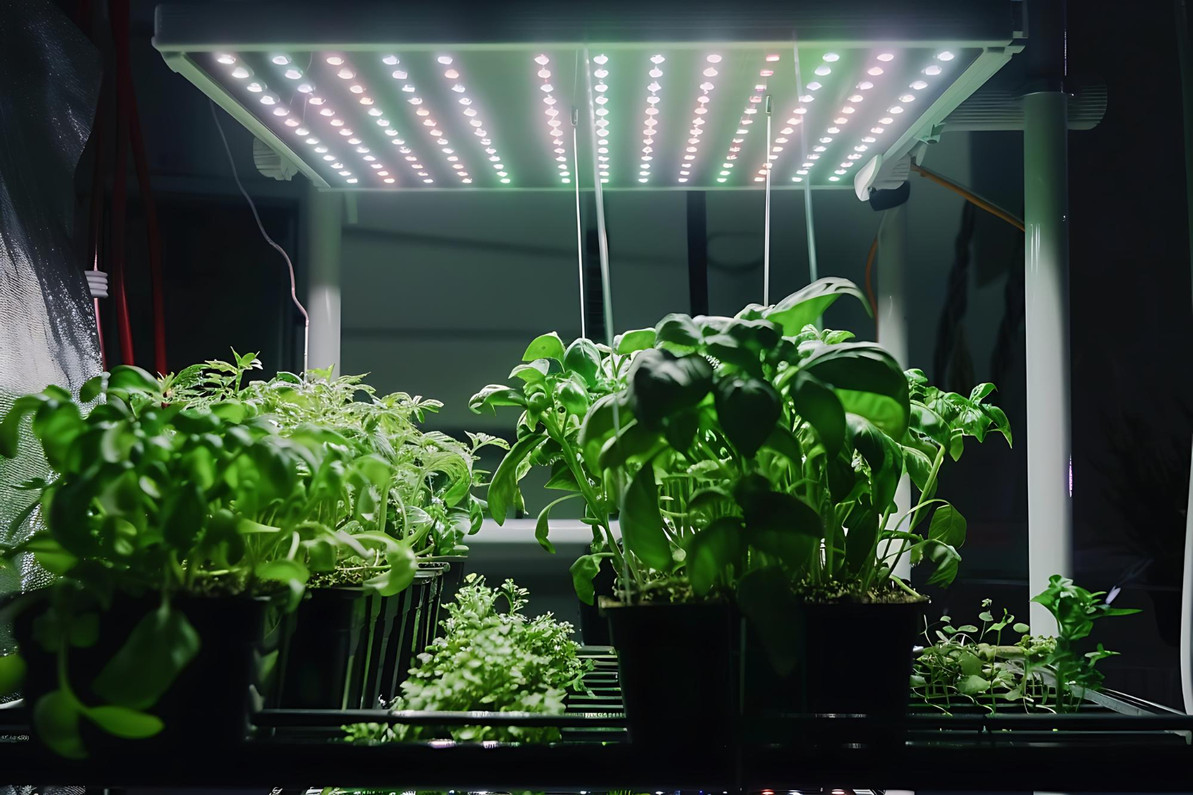
One area we always check as spring rolls in is how our lights are doing. LED grow lights help give steady support through this in-between season when natural light gets brighter but still changes fast. To make the most of their support, we adjust a few habits as the daylight grows. From light placement to feeding schedules, staying in tune with the season keeps our plants green and thriving.
Check Light Placement as Days Brighten
As the days stretch out in late March and April, plants have a habit of reaching higher. This stretch is healthy, but if we don’t adjust our LED grow lights, it can lead to leaf stress or bleaching.
- Raise the fixtures if plants grow too close to the lights, especially if you see clawing or yellowing at the tips.
- Rotate pots every few days to keep coverage even on all sides. Uneven distance can lead to some leaves shadowing others.
- Look over your canopy layout and make small shifts to lights or plant positions to keep things balanced.
It's not about big moves. Just changing the height or angle slightly can prevent harsh light pockets and help your plants take in what they need without strain.
Shore Grow carries a full line of LED grow lights, including dimmable, full-spectrum, bar-type, and panel-style fixtures, that help control height, brightness, and spread for smoother seasonal transitions.
Balance Light Schedules with Natural Sunlight
With more light coming in through windows, we shift how long the LEDs stay on. If we don’t match that change slowly, plants can get too much exposure or end up confused about what season they’re in.
- Use timers to hold a steady pattern and avoid overdoing exposure.
- If your room gets good daytime light, try cutting LED hours gradually instead of all at once.
- Merging natural and indoor light? Try keeping LEDs off for part of the day and only running them when outdoor light dips.
Changing the schedule in stages helps prevent stress. It’s like setting the pace with each week, not rushing into a big shift all at once.
Shore Grow’s digital timers and smart controllers make it easy to keep your lighting cycle consistent, whether you’re mixing LEDs with sunlight or going full indoor.
Watch for Spring Temperature Changes Around Lights
As outdoor temps warm up and we run heaters less, our indoor climate starts reacting too. It’s easy to overlook how much LED fixtures affect temperature, especially when combined with sunlight coming through windows.
- Check the area around your lights for rising heat, especially during midday.
- Keep fans running low and steady to stop heat from settling around the canopy.
- Think about how vents, nearby glass, or reflective surfaces might change the local temp during the day.
Even LEDs with low heat output still stack warmth in spots over time. Helping air move across the space evenly stops that warm layer from hanging around your tops.
Shore Grow carries compact, oscillating grow fans for shelf setups and tents, which help manage build-up of heat from both LEDs and windows.
Feed Plants Based on Growth, Not Just Lighting
Just because light levels go up doesn’t mean it’s time for big changes in feeding. Plants often show new growth quickly in spring, but their roots and nutrient uptake might not be matching that top-side speed.
- Watch how your plants are growing before adjusting feeding amounts.
- Stick to a general pattern but scale up slowly if growth seems steady and healthy.
- If leaves start looking burnt or overly dark, it might be from pushing both light and nutrients too hard.
Let the plant’s pace lead your decision. They’ll show whether they’re ready for more water or food. LED grow lights create strong signals for energy use, but that doesn’t mean every plant is ready to jump.
Clean and Inspect Your Grow Light Setup for Spring
After winter, it’s a good time to give the lights themselves a quick checkup. Even a thin layer of dust can lower output without us realizing it.
- Wipe down all LED surfaces with a soft cloth to clear any buildup, especially around vents or panels.
- Look over all cords and mounts. Movement from light timers or heat shifts can loosen connections.
- Think about whether it’s time to readjust mounts for better coverage, especially with taller spring growth.
We treat spring as a reset button. It lets us catch small problems before they mess with the whole balance. Repairing worn cords or tightening mounts now will prevent bigger issues later.
Keep Plants Steady as the Seasons Shift
Spring often feels like a tug-of-war between indoor setups and changing outdoor weather. That makes this stretch of the year easy to overlook or rush through. But the details matter. Plants notice small things like when lights shift just an hour earlier or when one side of the shelf starts getting a little warmer than usual.
With longer days and brighter windows, we focus on keeping light consistent each week instead of overreacting with big jumps. By watching plant shape, keeping airflow steady, and trimming down stress where we can, LED grow lights help bridge this season without setbacks.
In early spring, nothing needs to be extreme. What our plants want most is smooth, uninterrupted support through those still-shifting weeks. When our lights, airflow, and schedules work together, we give them exactly that.
As spring brings longer days and fluctuating indoor temperatures, adjusting your lighting with LED grow lights is a smart way to help your plants transition and maintain healthy growth. We recommend fine-tuning height, timing, and airflow for the best results. Shore Grow is here to support your spring grow, stop by or give us a call if you need expert advice or personalized planning for your setup.
Recent Posts
-
Fluorescent Lighting Ideas for Veggie Starts at Home
Early spring is a great time to get veggie seeds started indoors. While some windows may bring a lit …Mar 16th 2026 -
LED Grow Lights Tips for Keeping Plants Green in Spring
As plants respond to longer daylight and slightly warmer temperatures, spring can be a mix of excite …Mar 16th 2026 -