
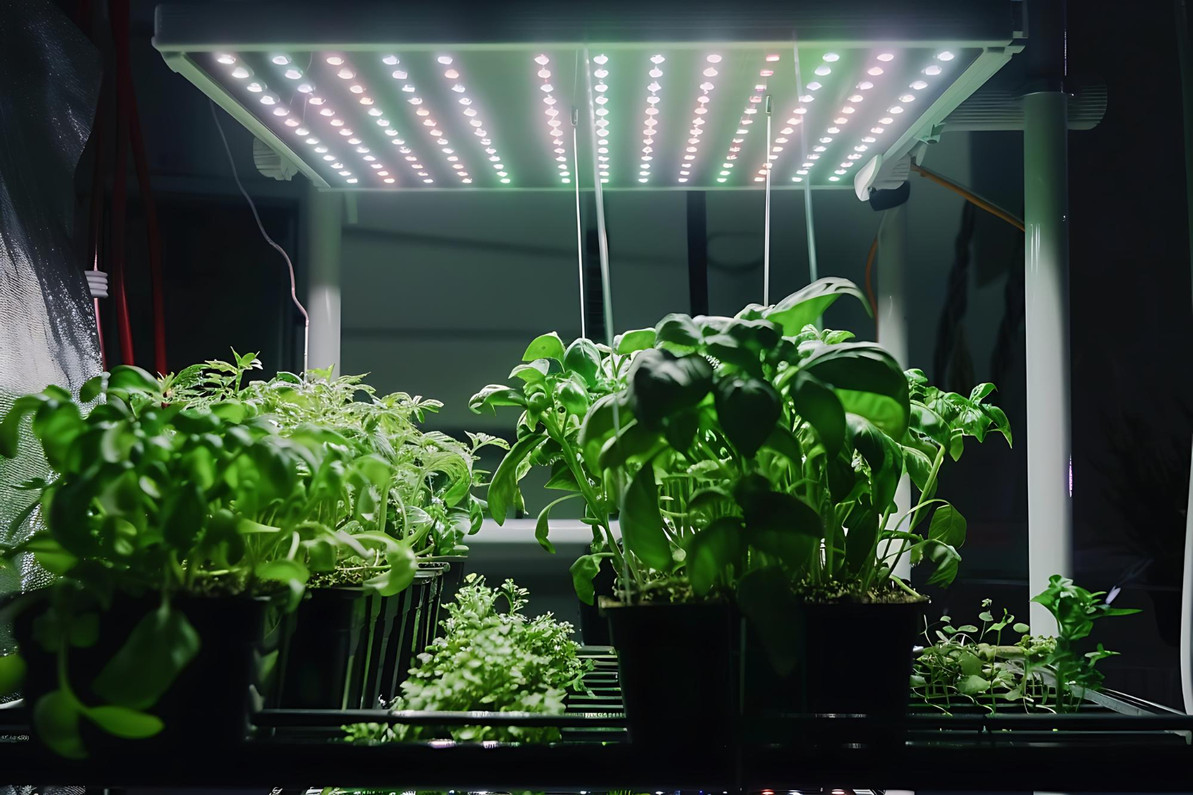
LED Grow Lights for Seedlings During Winter Months
Starting cannabis from seed indoors during the winter can be tricky. Without strong sunlight, young plants often end up spindly or slow to grow. That's where LED grow lights help. They give seedlings the kind of light they need to open up, put out roots, and develop steady leaves, even when the sky outside is gray or dark by 5 p.m.
A good setup uses more than just plugging a light into the wall. How we choose the light, where we position it, how long we keep it on, and how we control warmth around the plants all plays a part. When we get those details right, our seedlings stay healthy and strong all winter. Here’s what we pay attention to when using LED grow lights indoors through the cold months.
Choosing the Right LED Lights for Young Plants
Not all grow lights work the same, and that makes a big difference when we’re working with seeds. The main types of LED bulbs we run into are:
• Full-spectrum LEDs, which mimic natural daylight and are helpful during every stage of growth
• Red-and-blue mix LEDs, which can be fine for older plants but don’t always deliver what seedlings need early on
• Adjustable spectrum options, which let us shift the light type as the plant matures
For seedlings, full-spectrum lights usually keep things simple. They give off a white, balanced light that supports both early root development and healthy leaves. Beyond color, we look at brightness. We don’t want to blast tiny plants with high-intensity light right away. Instead, we look for adjustable settings or space the lights out to keep things calm but steady.
The shape and size of the light also matter. A large, flat fixture spreads light evenly across a whole tray. That helps avoid dark corners where some plants might fall behind. Smaller clip-on LEDs might work for just a pot or two, but don’t do much for a full grow shelf. Shore Grow offers full-spectrum LED lighting that meets these needs and is compatible with multiple hydroponic setups.
Setting Up Your Lighting Area Indoors
Once we’ve picked a light, setup makes the difference between strong seedlings and weak ones. A few things we always keep in mind:
• Keep the LED grow lights 2 to 4 inches above the tops of the seedlings
• Raise the light slightly as plants grow taller to avoid heat stress and leaf damage
• Use light timers to give plants about 16 hours of light and at least 8 hours of dark each day
• Reflect light back into the grow area with white walls or a grow tent to get the most out of each bulb
Spacing the light too far from young plants makes them stretch toward it, which weakens the stem. Too close for too long can dry out the tops of the seedlings or create hot spots on the leaves. With a timer, we don't have to babysit the trays all day. It keeps everything running the same way, day after day, which helps the plants stay on track.
Creating a Winter-Friendly Environment Around Seedlings
Lighting is step one. Ambient conditions come next. Winter air indoors can swing between too cold and too dry. We try to keep seedlings comfortable by paying attention to a few simple things.
• Keep trays off floors or windows where cold air lingers
• Use seedling heat mats or prop trays up a few inches to keep root zones warm
• Water gently and often, but not too much, too-wet soil combined with cool temperatures can slow growth or cause rot
Even in a warm home, the area near a grow setup can fluctuate. The floor might be chilly, or nearby glass might send in a cold draft. That’s why we like to raise our trays and create a more sheltered space around them. If we use a small grow tent, it’s easier to trap a bit of warmth without cranking the whole house heat.
Dry air can also creep in from heaters running nearby. When that happens, we watch for curling leaves or crusty soil up top. A little airflow, the right humidity, and regular watering help seedlings stay steady even when it’s icy outside. Shore Grow’s team also provides free classes where new growers can ask about keeping seedling environments stable in winter.
Mistakes to Avoid When Using LED Lights for Seedlings
Even with good gear, problems pop up when we skip small steps that matter. Here are a few issues we work to avoid:
• Hanging lights too high, which causes leafy stretch and weak stems
• Leaving lights on all the time, no dark period can stress out seedlings and interrupt their cycle
• Packing too many trays close together, which blocks airflow and reduces light at the edges
• Skipping weekly cleanups, which allows dust and dirt to dim the light and reduce its reach
A tight, simple setup is easier to manage and less likely to go sideways. When everything’s crammed together or forgotten for long stretches, seedlings react fast. We’ve seen it happen more than once, just a few inches of extra space or 10 minutes of missed light per day can slow things down. That’s why we like to treat our grow area like a mini spring, steady warmth, open space, and clear light every morning.
Keep Seedlings Steady Until Spring
Winter is a key season for dialing in the right lighting and setup. Getting seedlings through cold months with strong roots and healthy leaves takes a little planning but goes a long way once transplant time arrives. LED grow lights give us control, but our routines and attention make all the difference.
Trouble getting your seedlings to reach their full potential often comes down to lighting, especially during colder months when every detail matters. Our easy-to-use setups and reliable equipment simplify the process of keeping your environment balanced and productive. Explore our full range of LED grow lights and contact Shore Grow today so we can help you choose the right solution for your plants.
Recent Posts
-
Spring Propagation Steps for Busy Indoor Gardeners
Spring gives indoor growers a fresh window to focus on plant propagation. As daylight lasts longer a …Apr 7th 2026 -
Tents Setup Guide for Summer-Bound Seedlings
Warmer days mean it’s time to get seedlings started indoors. There’s something satisfying about givi …Apr 7th 2026 -
Early Pest Control for Safe Summer Harvests
As the days get longer and temperatures warm up, our plants start to stretch and grow faster. But it …Apr 5th 2026