
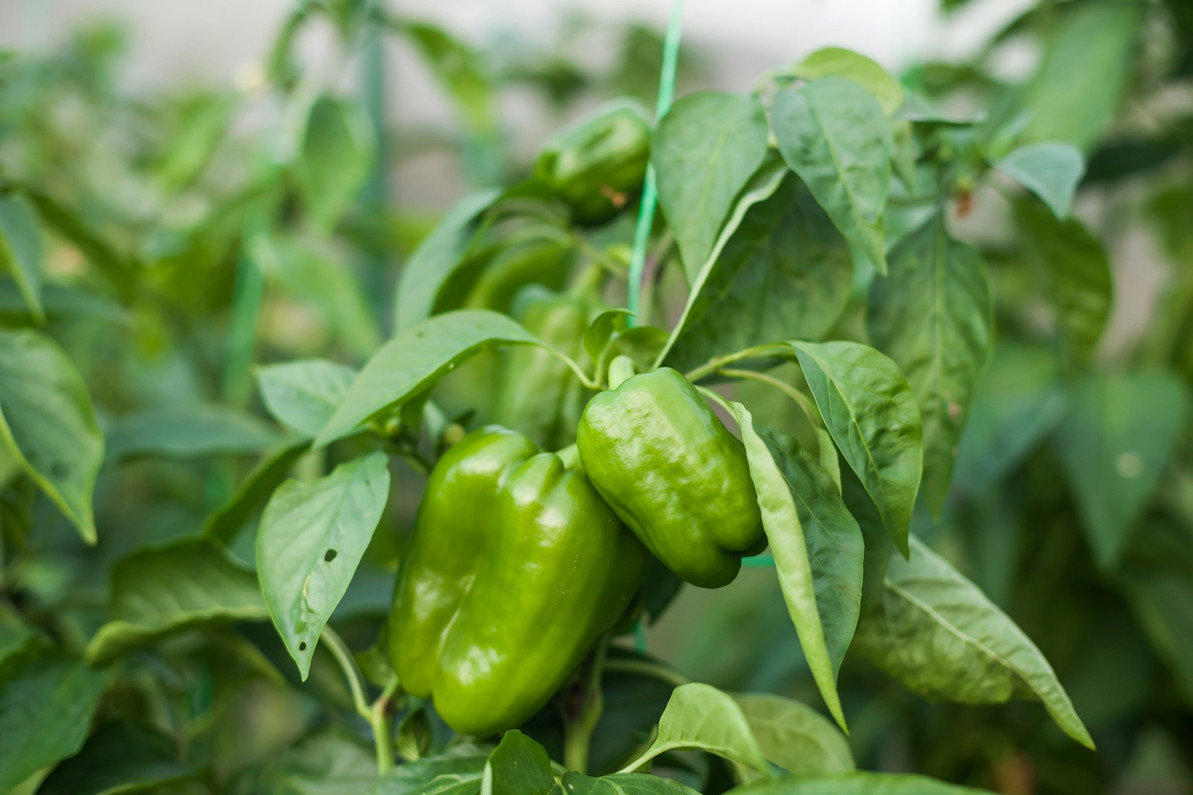
Propagation Tricks for Getting Peppers Started Indoors
Starting peppers indoors before winter ends gives them the head start they need. These plants take their time, and by giving them a few extra weeks of warmth and steady care inside, they come out stronger once we move them out. That’s why February and early March are perfect for sowing peppers indoors.
Getting the environment just right during these first few weeks makes all the difference. A good setup with stable warmth, solid lighting, and a few simple supplies sets the foundation. With the right propagation habits in place, peppers sprout stronger and settle in faster, which means less guessing and fewer setbacks as they grow. Here’s how we approach it.
Set Up a Warm and Bright Starting Area
Where you start your pepper seeds matters more than people think. A sunny window might sound right at first, but most don’t offer steady conditions all day. We look for a spot that stays warm and avoids both shadows and chills.
• Choose a space away from drafty doors, windows, or vents that kick on and off
• If natural light isn’t strong enough, use grow lights that can be raised as plants grow
• Make sure there’s room for seed trays, a heat mat, and a light fixture that won’t get bumped
• Keep the area clean and simple, clear airflow, no clutter, and easy access for daily checks
Pepper seeds need consistent warmth and light early on. By keeping the area manageable from the start, it’s easier to stay on top of things like mold or crowded plants later down the road.
Choose the Right Supplies for Strong Starts
We don’t need much to start peppers indoors, but we do prefer gear that holds up and makes day-to-day care easier. Clean tools keep problems away, and the right containers help roots stay healthy from the start.
• Use seed trays with drainage holes and starter plugs or cubes to hold structure
• Make sure everything is clean before the first use, pests and disease love dirty trays
• Label each pepper variety, even if you only have a few, they look similar early on
• Keep a spray bottle or small watering can nearby for targeted, gentle watering
By keeping tools basic but reliable, we avoid lost plants or repeat issues. We’ve found that a well-labeled tray setup and consistent moisture work a lot better than overcomplicated systems or last-minute fixes.
Shore Grow offers a full array of propagation supplies, including sturdy trays, clear humidity domes, and heat mats to help sprouting peppers stay on schedule even in cooler rooms.
Use Heat and Light to Keep Growth Steady
Peppers come from warm climates, so we try to give them a cozy root zone and steady exposure to light. Without that warmth, seedlings tend to stall or stretch too much trying to reach light they can't actually use.
• Heat mats help keep the soil around 70 to 80 degrees, perfect for pepper sprouting
• Full-spectrum grow lights should be just a few inches above the tray and move up as plants grow
• Run lights on a timer for 14 to 16 hours a day to match spring conditions
• Make sure lights cover the whole tray, not just the middle
This part of propagation is easy to forget, but it makes or breaks early growth. Peppers can be slow to sprout, and small heat dips or light gaps often throw off the entire tray. Once we dial in the timing on both fronts, everything else runs more smoothly.
Water Gently and Practice Patience
It’s tempting to give young pepper seedlings more water than they need, especially when the top of the tray looks dry. But overwatering slows root growth and sometimes leads to damping off, especially in cooler rooms.
• Keep trays damp but not soaked, light misting works better than dumping
• Always use room temperature water to avoid chilling the roots
• Wait until true leaves (the second set after sprouting) show up before feeding
• Start feeding with a diluted solution and only after roots are active
Peppers reward patience. We’ve learned not to rush this part. If the tray feels cool and damp when we touch the surface, that’s usually enough information to wait another day. It saves time and avoids a lot of unexpected problems.
To support ongoing seedling health, we stock rapid rooter starter plugs and propagation nutrient blends specifically made for young plants.
Pay Attention to Each Plant’s Pace
Not every pepper plant grows at the same speed, even when they’re from the same packet. We take notes as we go, so we can figure out what each tray (or even each variety) prefers.
• Look daily for signs like yellowing leaves or curling tips
• If something looks off, only change one thing at a time, light angle, watering, dome position
• Note what works day-to-day, so future propagation runs go faster
• Don’t be afraid to replant a few late sprouters if needed, peppers sometimes take longer to break through
Tracking these small shifts helps a lot. When we take the time to adjust slowly and record what happens, future seed runs become easier and more predictable. It’s better to find small improvements over time than guess at lots of things all at once.
Support for Healthier Seedlings and Growing Success
Sometimes, it helps to add more explanation on why each step in the process matters for both new and seasoned gardeners. By starting peppers indoors and slowly developing a solid care routine, you allow seedlings to adjust to changes in light, temperature, and humidity before they go outside. Peppers enjoy steady warmth, that's why it is best to place your seed trays somewhere that stays above 70 degrees, if possible.
When you use proper supplies and take the time to prep your starting space, your seedlings are less likely to run into stress that leads to stunted growth or disease. For example, using a clean spray bottle for gentle watering means you avoid splashing and keep fungus at bay, especially in crowded trays. As you pay attention to each variety’s progress, making small adjustments to light, water, and warmth, results in more uniform, sturdy plants ready to go outside when spring fully arrives.
Many folks are tempted to transplant as soon as peppers reach a certain height indoors, but a strong root system is a much better indicator that they're truly ready for outdoor life. Taking the time to check roots by gently removing a starter plug for a quick look is a simple way to make sure your plant is prepared for the next step. Healthy roots should look white or pale and spread throughout the starter cube or plug. Allow a bit more indoor growing time if you notice roots still clinging tight to the center or not yet reaching the edges.
Continuing daily observation in the final indoor phase is important, as peppers often show they’re ready to move up by pushing new leaves quickly and holding stems upright. Keep trays close to the light and slowly toughen plants by lowering humidity or opening vents in your growing area a little more each day to help them adjust.
As transplanting time nears, reduce water just a touch so roots grow even more in search of moisture. This helps establish a hardy root system that will support strong growth when outdoor planting begins. It’s also a good time to make sure all your outdoor supplies, like larger pots or garden spots, are ready for the coming move.
Strong Starts Lead to Thriving Spring Plants
Once we’re past early February, we know the window for starting peppers indoors is already open. Every week of indoor growth now gives young pepper plants more time to settle, grow sturdy roots, and prepare for spring light.
By sticking to steady habits, we help peppers build strength right from the seed tray. Stable warmth, full light, light hands with the watering can, and daily checks all add up. When outdoor weather finally cooperates, these plants are ready, calm, healthy, and lined up for a strong season.
Getting your seedling setup right can make all the difference this season. At Shore Grow, we pay close attention to the details that help pepper seedlings thrive, from using the appropriate lighting to keeping workspaces clean and maintaining proper timing. We rely on proven smart propagation methods that support healthy growth throughout every cycle. Reach out to us to discuss setup ideas or get expert help selecting the best gear for your growing needs.
Recent Posts
-
Early Pest Control for Safe Summer Harvests
As the days get longer and temperatures warm up, our plants start to stretch and grow faster. But it …Apr 5th 2026 -
Media That Helps Water Retention When Spring Heats Up
As spring rolls in and the temperatures start to climb, many growers run into a familiar challenge, …Apr 5th 2026 -
Fluorescent Lighting Ideas for Veggie Starts at Home
Early spring is a great time to get veggie seeds started indoors. While some windows may bring a lit …Mar 16th 2026