
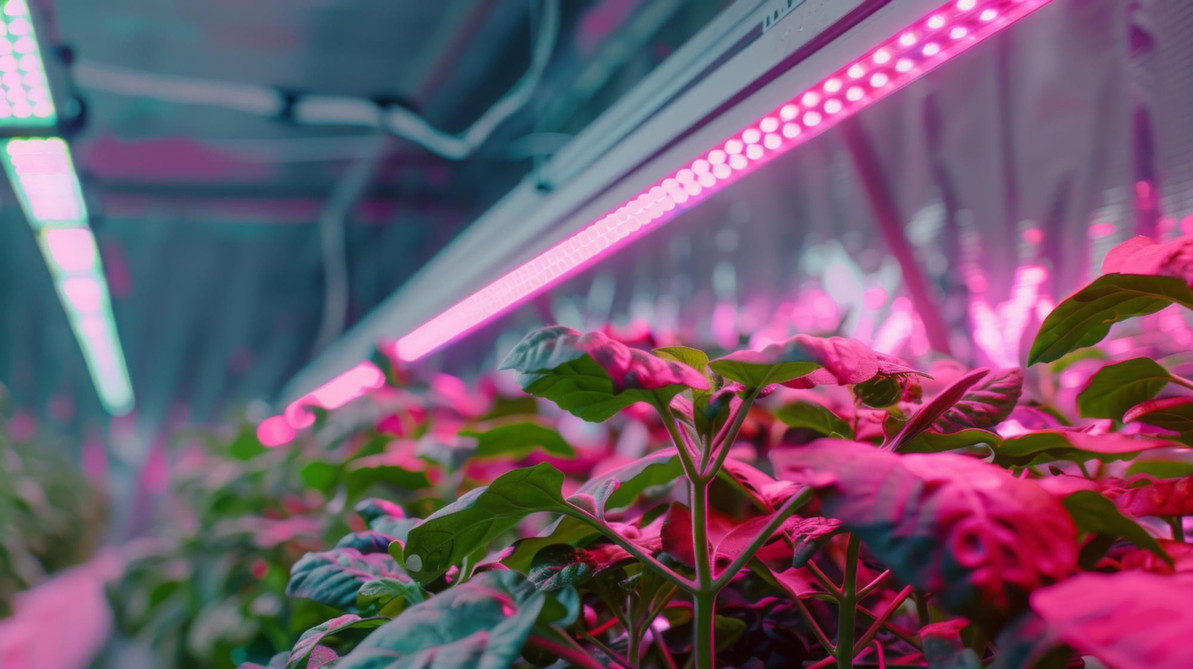
High Intensity Discharge Problems to Watch for With Indoor Plants
High intensity discharge lights are popular for indoor growing, especially during the cold, low-light months of winter. When days are short and the sun is weak, these lights offer powerful brightness that keeps plants thriving indoors. But with all that strong light comes the chance for problems if we’re not careful.
Whether we’re using them in tents, closets, or spare rooms, it's important to pay attention to how these lights impact our indoor cannabis grows. From sudden heat spikes to changing bulb strength, there are several things that can throw off a winter grow if we’re not watching closely. As we settle into the heart of the season, now is a good time to talk about some of the most common issues high intensity discharge lighting can cause indoors, and how to catch them before they cause bigger headaches.
Overheating in Small Grow Spaces
HID lights can warm up a room fast. That might sound helpful during January, but too much extra heat in a small space can dry out soil, wilt leaves, or mess with a plant’s rhythm. In tight grow rooms or tents, this heat sticks around and builds quickly.
• Grow tents and closets trap heat, making it hard for plants to stay in the safe temperature zone
• Over time, extra warmth pulls moisture from leaves and pots, leaving plants thirsty fast
• Even during winter, indoor grows need ventilation fans or vents pulling warm air out to keep the temperature steady
We’ve seen cases where the lights themselves weren’t the issue, it was poor air movement. Tucking fans into the corners or cracking a nearby window can go a long way in keeping things cool. It’s not about trying to cool the entire room. It’s about creating steady airflow so heat doesn’t settle around the plants.
Stuffy air and lingering warmth can have a fast effect on leaves. Sometimes you’ll notice plants drooping or leaves curling along the edges. Giving the space a regular check and adjusting the airflow can help get things back on track. For those growing in larger rooms, spreading out the plants and lights or raising the lights slightly adds another layer of safety.
Light Burn and Uneven Canopy Exposure
If our HID lights are too close to the tops of our plants, we’ll likely see light burn. This shows up as dry, brown, or curled leaf tips. It might seem like more light would be better, especially when winter skies are gray, but too much from too close does more harm than good.
• Top leaves might turn yellow or develop dry edges if lights hang too low
• Shorter plants in the corners may stay underdeveloped if they get shaded out
• Plants need even light, so rotating pots or raising the light can help spread exposure across the canopy
One habit that helps is checking the tops of the plants every few days to see if they’ve grown closer to the light. We don't always notice changes right away. But one inch too close for too long is all it takes to scorch a healthy top.
It also helps to use adjustable hangers and to move plants around if possible. As some plants grow taller, others may need a boost to reach the best light. When all tops get even exposure, you’ll notice thicker stems and fuller growth from edge to edge.
Bulb Life and Flickering Issues
HID bulbs don’t last forever. Over time, they produce less light, or they may start flickering. That weak or uneven light is bad news, especially for young cannabis plants that rely on bright, steady light to stretch and build structure early on.
• As bulbs age, light intensity drops even if the light still appears bright
• Flickering bulbs can stress plants and interrupt their daily rhythm
• Keeping track of bulb hours helps avoid slow-downs in growth
If we’re growing from seed or tending to fresh clones during winter, the difference between a strong bulb and a weakening one is easy to miss until we spot slow growth. It helps to log how long a bulb has been in use and plan ahead for replacements. Skipping that step might cost us weeks in lost progress.
Bulbs that have been working for too long can look perfectly fine, but their power to encourage growth fades over time. Replacing bulbs on a regular schedule, instead of waiting for a visible problem, keeps your plants from suffering through weaker cycles. Flickering or humming is another sign that a swap might be due soon.
Energy Use and Equipment Strain
HID systems draw a lot of energy. That extra power can strain outlets, breakers, and even other climate control gear we use during winter. When paired with heaters or humidifiers, the overall load on the circuit can sneak up on us.
• Ballasts and bulbs can overheat or fail if circuits are overloaded
• Heaters, fans, and dehumidifiers sharing the same outlet may trip or fail
• Sudden equipment shutdowns during dark hours can interrupt plant routines
This isn’t something to leave to chance. We’ve seen growers lose lights, heat, and fans all at once just from plugging too much into one line. Small changes, like splitting power across outlets or giving each major tool its own line, can stop problems before they start.
Taking a few minutes to map out which outlets serve each piece of equipment can prevent surprises later. Make sure cords and plugs are in good condition and avoid overloading power strips. A power outage while lights are on or off can affect your plants’ routines and slow their progress.
Lights That Help, But Need Supervision
There’s no argument that high intensity discharge lights can be a solid pick for growing cannabis indoors during winter. But they’re not a plug-it-in-and-forget-it kind of tool. They bring the light we need when the sun is weak, but that kind of strength requires attention.
Most problems happen when we assume everything is fine. Heat builds up slowly in a tent. Bulbs dim without warning. Outlets get crowded with gear. That’s why we check fan speeds, light heights, and cord setups often. It’s not just about fixing issues when they pop up. It’s about staying ahead of them before they leave us with slowed growth or stressed plants.
Shore Grow offers a wide range of HID bulbs and compatible ballasts to help growers maintain healthy, productive crops throughout the colder months. We also provide ongoing support and guidance for common grow room issues, from airflow basics to tips on safe electrical setups.
By watching how well our HID lights are working through the winter, and giving them the support they need, ventilation, spacing, and proper wiring, we give ourselves the best chance at growing healthy, problem-free cannabis indoors.
Running strong lights in your grow tents or small indoor rooms this winter can present unique challenges, but with the right setup, support, and schedule, high intensity discharge systems offer real benefits. Even minor issues like a weak bulb or a warm room can disrupt your progress. At Shore Grow, we’re here to help you get the most out of your winter lighting and keep your grow space on track. Reach out to us for guidance or assistance with your setup.
Recent Posts
-
Spring Propagation Steps for Busy Indoor Gardeners
Spring gives indoor growers a fresh window to focus on plant propagation. As daylight lasts longer a …Apr 7th 2026 -
Tents Setup Guide for Summer-Bound Seedlings
Warmer days mean it’s time to get seedlings started indoors. There’s something satisfying about givi …Apr 7th 2026 -
Early Pest Control for Safe Summer Harvests
As the days get longer and temperatures warm up, our plants start to stretch and grow faster. But it …Apr 5th 2026