
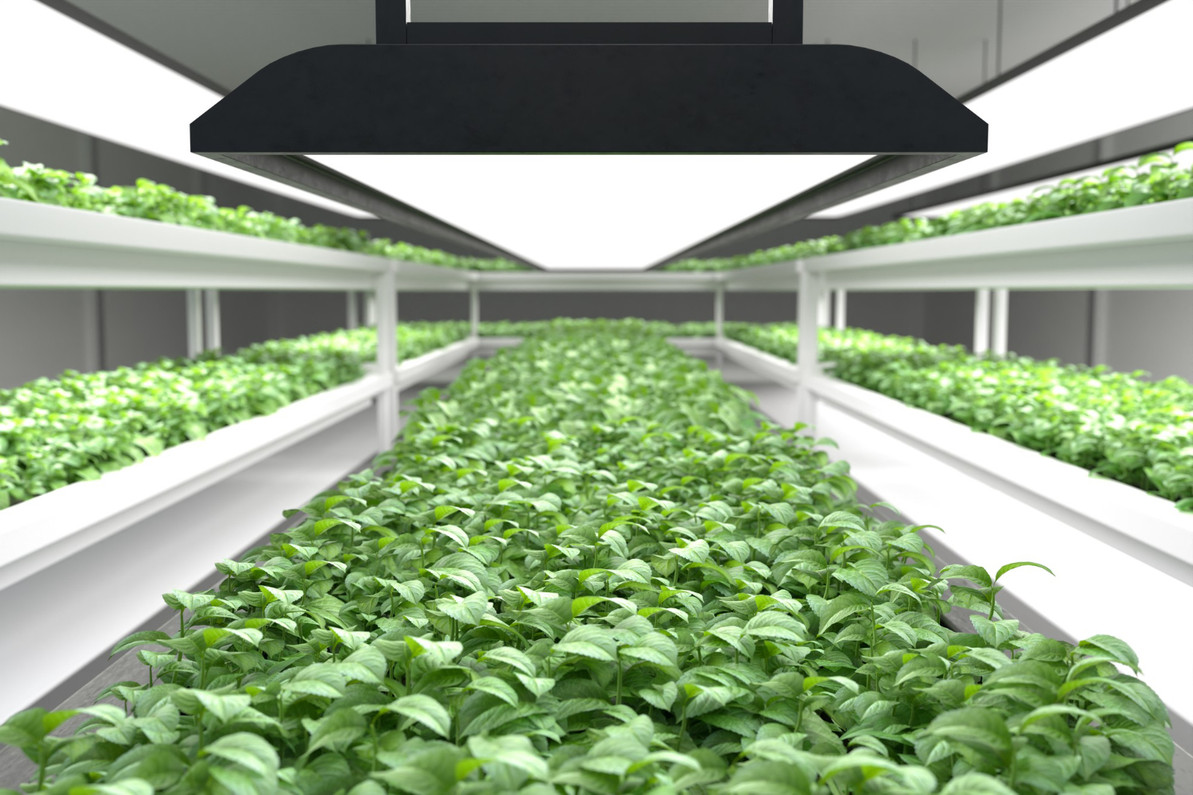
How to Use Fluorescent Lights for Growing Leafy Greens Indoors
Fluorescent lights are one of the most reliable and easy lighting options for growing leafy greens indoors in winter. When sunlight fades and daylight hours are short, these fixtures offer a soft, steady glow that helps greens like spinach and lettuce stay on track. Their lower heat output, along with a nice spread of white light, makes them especially helpful in small grow rooms or kitchen shelf setups.
If we’re planting greens in January, having a good fluorescent setup means our crops can keep growing strong even without much natural sun. Young sprouts need the right kind of light from the beginning, so picking the right bulbs and placing them with care can make all the difference during the harshest months. Here's how we can use these lights wisely to raise a healthy indoor crop all season long.
Picking the Right Fluorescent Bulbs for Greens
The type of bulb we use matters more than some may think. Not all fluorescent lights are the same, and choosing poorly can slow growth or cause stress in the plants.
• Cool white or daylight bulbs are great for leafy greens, since they match the color of light the plants need for early growth
• Full-spectrum tubes help if we’re growing different kinds of greens, since they give a balance of all the light colors plants respond to
• Long bulbs and wide fixtures are better when we’re growing several trays or larger patches to keep light even from edge to edge
Leafy greens do not need very intense light, but they do best when they get steady, full coverage. Bulbs that produce mostly red or blue light can leave them leggy or dull. Picking a spectrally balanced bulb keeps plants firm and upright, ready for harvest in just a few weeks.
We carry a range of T5 fluorescent grow lights, which are well-suited for seed starting, leafy greens, and microgreens. Many home growers appreciate how T5 fixtures provide even coverage and gentle lighting.
Setting Up Fluorescent Lights at the Right Height and Angle
Once we have the right bulbs, the way we place them matters just as much. We want enough light to reach every bit of green without burning or shading out the corners.
• Fluorescent lights should hang about 2 to 4 inches above the tops of the plants
• As greens grow taller, the fixture should stay adjusted above them to keep spacing consistent
• Adding reflectors or bouncing light off white surfaces nearby helps boost brightness without adding more fixtures
It helps to check plant height every few days and move the light up little by little. When fluorescent bulbs are too far away, plants start stretching toward the light, which leads to thin, weak growth. By keeping the lights close and balanced, we help leaves grow wide and healthy.
Timing Your Light for Steady Growth
Greens like a regular rhythm, even indoors. That means giving them a full day of light and a full night of rest, just like they’d get in early spring outdoors.
• Most greens need between 12 and 16 hours of fluorescent light each day.
• Using timers can help us stick to roughly the same hours every day, without worrying about turning switches manually
• Rest at night helps plants build stronger roots and avoid thin or pale growth
A steady schedule not only supports growth but also makes our routine easier. It gives the trays the signal they need to keep producing strong leaves day after day. Set-and-forget timers can keep things regular without needing us to stand over the space constantly.
Managing Temperature and Moisture Under Fluorescent Lights
Fluorescent lights are not as hot as other types of grow lights, which is great for small spaces. But we shouldn’t assume that means no heat or drying happens at all.
• Rooms with fluorescent lighting still need to stay warm, especially during freezing outdoor temperatures
• Light warmth can dry out just the top of the soil, even if deeper layers stay damp
• If your indoor air is dry, a dome or small humidifier can keep leaf tips from drying out, especially with younger seedlings
Greens like conditions that feel like spring, cool but not cold, and damp but not waterlogged. With dry winter air and indoor heaters running, it’s easy for young plants to get stressed. Checking water levels by touch and watching leaves for signs of curl or wilt makes it easy to catch problems early.
We provide lighting solutions and also offer hydroponic nutrients and moisture tools like domes and trays. This gives new growers a complete setup for indoor leafy greens.
Common Mistakes That Slow Down Leafy Green Growth
Even with fluorescent lights set up, a few small missteps can limit how well your greens perform. These are some of the most common ones we’ve seen.
• Hanging lights too high above trays can make greens stretch and weaken
• Dusty bulbs block some of the brightness, so it is smart to wipe them clean every couple of weeks
• Using one long fixture across a wide space without spacing it evenly can mean greens in corners get much less light
Each of these problems is easy to overlook, especially when the setup seems to be working. But they add up. Weak stems, patchy growth, and pale leaves usually point back to light placement, intensity, and cleanliness. We have found it is best to keep inspections part of our weekly routine so nothing sneaks up on our indoor grow.
Let Your Greens Thrive Through the Cold
With a simple plan and some attention to spacing, timing, and warmth, we can keep fresh greens growing indoors all through winter. Fluorescent lights make that possible without adding too much heat or using a lot of energy.
Our team helps answer grower questions and provides classes for new and experienced indoor gardeners. Spinach, kale, and baby lettuces do especially well under these lights when we keep an eye on spacing, watering, and time. It is a small effort that brings quick rewards and a bit of green to the grayest stretch of the year.
Keeping your leafy greens strong all winter starts with the right lighting setup. Good placement and reliable bulbs create a consistent routine your plants depend on. For those working in smaller indoor spaces, fluorescent lighting offers flexibility and control that crops like lettuce and spinach thrive under. At Shore Grow, we are here with the supplies and support you need so your winter greens stay healthy. Reach out to us with any questions about getting started or upgrading your setup.
Recent Posts
-
Spring Propagation Steps for Busy Indoor Gardeners
Spring gives indoor growers a fresh window to focus on plant propagation. As daylight lasts longer a …Apr 7th 2026 -
Tents Setup Guide for Summer-Bound Seedlings
Warmer days mean it’s time to get seedlings started indoors. There’s something satisfying about givi …Apr 7th 2026 -
Early Pest Control for Safe Summer Harvests
As the days get longer and temperatures warm up, our plants start to stretch and grow faster. But it …Apr 5th 2026