
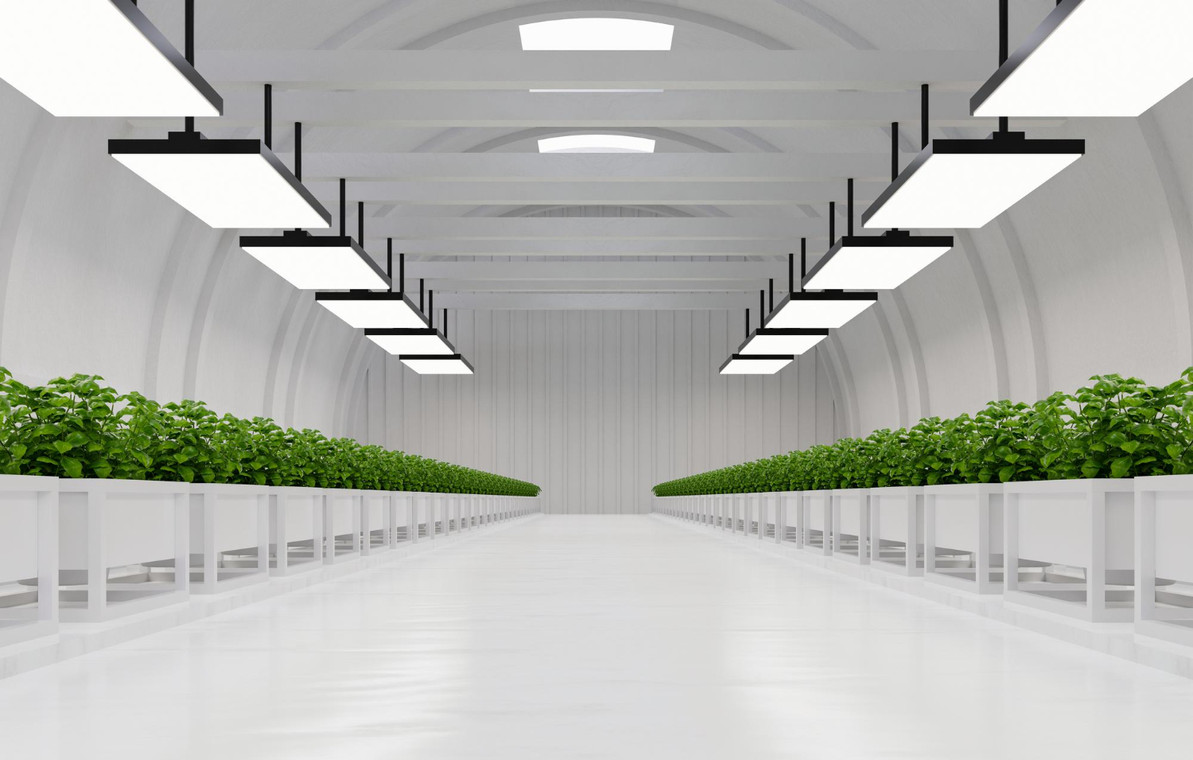
Common Problems with LED Grow Lights and How to Fix Them
LED grow lights have become a popular choice for cannabis cultivators due to their efficiency, energy savings, and long lifespan. They're valued for providing the specific light spectrum plants need, which can result in healthier and more productive growth. With these advantages, they are gaining traction in home gardens and professional setups alike.
Despite their benefits, LED grow lights can sometimes present challenges. Users might face issues such as flickering, dim lights, or uneven light distribution. These hurdles, while frustrating, typically have straightforward solutions if you know what to look for. Common problems with LED grow lights will be explored, offering practical solutions to help maintain an optimal growing environment for your cannabis plants.
Flickering or Dim Lights
One of the issues growers might encounter with LED grow lights is flickering or dimming. These problems can disrupt the growth cycle of plants, making it important to address them promptly. Here are some potential reasons and ways to solve them:
- Wiring Problems: Loose or faulty wiring can cause flickering. Check all connections to ensure they are secure.
- Power Supply Issues: An unstable power source may lead to inconsistent light output. It's wise to check the power supply and consider using a voltage stabilizer if fluctuations are common.
- Component Failures: Sometimes, the problem lies in the light fixture itself. Replacing malfunctioning parts or the entire unit might be necessary if a specific component is defective.
Understanding the underlying causes helps in pinpointing the exact issue. Start by inspecting the wiring and power supply. If these are not the culprits, consider component replacement. Addressing these problems quickly can restore the lighting to its full functionality and keep your cannabis plants thriving.
Uneven Light Distribution
Ensuring your plants receive an even spread of light is key for their development. When light isn't distributed properly, some plants might not get enough exposure, leading to uneven growth and reduced yields. Several factors can lead to this issue, but there are simple ways to address it.
- Poor Placement: Positioning lights too close together or far apart can cause uneven distribution. Make necessary adjustments to space the lights evenly across your setup.
- Absence of Reflective Surfaces: Lack of reflective material can result in light being absorbed by surfaces rather than directed back onto the plants. Consider lining the grow area with reflective materials like mylar to enhance light spread.
- Incorrect Height: If lights are hung too high or too low, plants may not benefit equally. Adjust the height based on the growth stage and size of your plants to ensure the right amount of exposure.
By addressing these factors, you will create a more balanced light distribution, helping all plants receive the adequate light they need for maximum growth.
Overheating Issues
Overheating is another problem that can affect the efficiency and lifespan of LED grow lights. It can damage the lights or even harm the plants if not managed properly. Recognizing the symptoms early can help you act before any significant harm occurs.
Signs of overheating include:
- Discolored leaves indicates stress on the plants
- Reduced light output meaning the LED is not working efficiently
- Physical wear on the light fixtures
This can result from insufficient air circulation, high wattage inappropriate for the area, or poor room ventilation. To counter these problems:
- Improve Airflow: Use fans or ventilation systems to ensure air circulates around the lights, helping to dissipate heat.
- Use Appropriate Wattage: Select LED grow lights that match the size of your grow space. Overly powerful lights can produce excess heat.
- Ventilation Enhancements: Consider ways to enhance air movement within the grow room, possibly by integrating more comprehensive HVAC systems.
Taking preemptive steps not only resolves overheating but also extends the lifespan of your lighting setup and ensures your plants remain healthy.
Light Spectrum and Intensity Problems
The success of cannabis cultivation heavily depends on optimizing the light spectrum and intensity for the plant’s growth phases. Using the incorrect spectrum can hinder photosynthesis and energy absorption, while inconsistent intensity might slow growth or burn plants.
To manage these problems, focus on:
- Adjusting Spectrum for Growth Stages: Different stages of growth like seedling, vegetative, and flowering require varied light spectrums. LED lights with adjustable spectrums can be programmed to meet these needs.
- Setting Proper Intensity: Ensure the intensity aligns with the plant’s current developmental stage to avoid overexposure or under-lighting.
Staying attentive to these aspects will enhance your plant's resilience and growth opportunities, promoting healthier plants throughout all life stages.
Wrapping Up Your LED Troubleshooting
Addressing the common issues with LED grow lights can drastically improve your growing conditions. Evenly distributed light, a suitable spectrum, proper wattage, and good ventilation are essential for optimizing plant health. By tackling these factors proactively, you foster an environment where your cannabis plants can thrive, leading to more fruitful harvests and sustained plant well-being.
To ensure you get the best results from your cultivation efforts, it's important to address any technical hurdles effectively. Whether you're dealing with lighting adjustments, airflow improvements, or spectrum adjustments, it's all part of creating the optimal environment for your plants. For better efficiency and healthier growth, explore our range of LED grow lights at Shore Grow to find the right fit for your setup.
Recent Posts
-
Choosing the Right Media for Moisture in Early Spring
Early spring brings changing rhythms to indoor grow rooms. Humidity jumps, temperatures swing a lot …Feb 22nd 2026 -
How to Boost Seedling Growth With Spring Lighting Accessories
As late February pushes into early March, we’re getting our setups ready to bring seedlings to life …Feb 22nd 2026 -
Setting Up Grow Tents for Healthy Seedlings in Early Spring
Starting seeds in late winter or early spring comes with a few challenges. Cold air, short days, and …Feb 15th 2026